Cementing
Cementing is an important stage in the construction of oil and gas wells. The operation involves isolating the annular space between the casing and the formation by pumping a cement slurry through the inside of the casing. The cement slurry displaces the drilling fluid from the well and fills the annular space, creating an effective barrier and providing zonal isolation.
RWS cements an average of approximately 250 casing and liner strings per year, at depths of up to 5,500 m.
Before the cementing operation itself begins, several preparatory steps are carried out to ensure that the operation can be performed safely and under optimum conditions. These include reviewing the well design to determine the required cement slurry volume, establishing the quantities of cement and mixing water required to achieve the density specified by the client, and determining the equipment and machinery needed to perform the operation.
Primary Cementing
- Casing cementing
- Liner cementing
- Cementing with cement slurries with densities ranging from 1.25 to 2.40 kg/dm³
- Stage cementing
Remedial Cementing
- Well abandonment
- Plug back cementing
- Lost-circulation plugs
- Squeeze cementing
- Water or gas shut-off
- Well control
RWS performs approximately 150 plug cementing operations per year.
Miscellaneous Pumping
- Well integrity tests
- Well cleanouts
- Well circulation
- Pressure tests
Cementing operations require a high level of precision and must be completed within a relatively short time to prevent the cement slurry from setting and hardening before the operation is completed. To ensure the quality and safety of each job, RWS uses specialized cement mixing and pumping equipment, high-quality cement and qualified operating personnel.
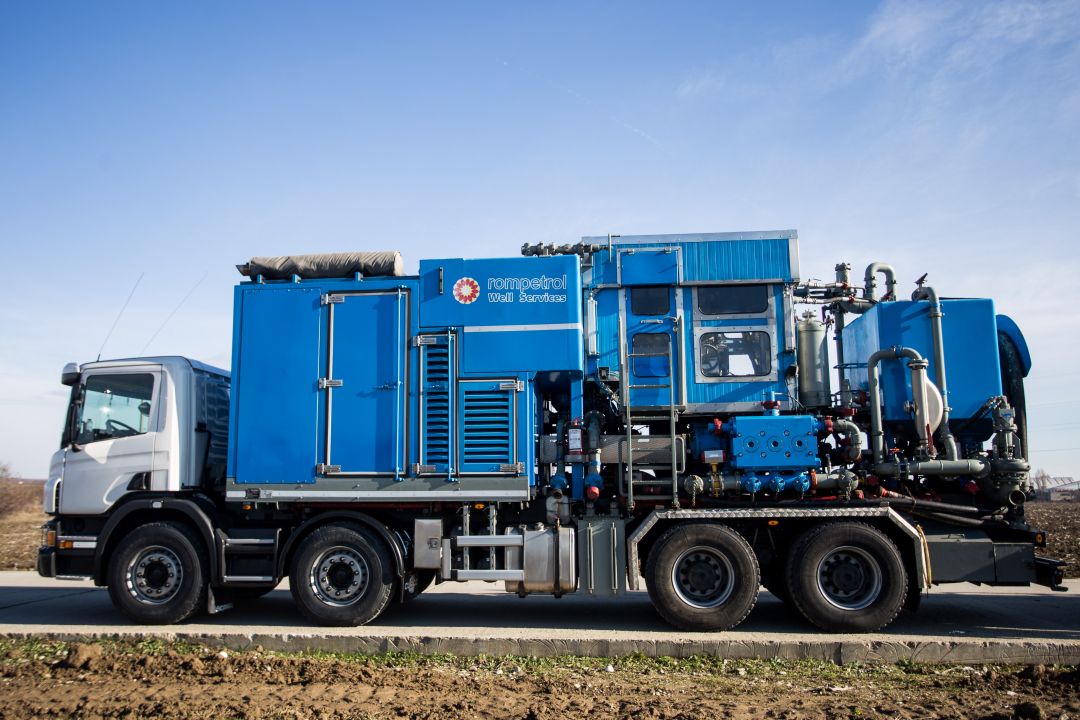
Rompetrol Well Services' pumping equipment is designed and built to operate and provide services under wellsite conditions. Each unit is carefully inspected and calibrated before being deployed to the wellsite. Before each operation, the cement slurries and other well fluids are tested in the RWS in-house laboratory.
Equipment
-
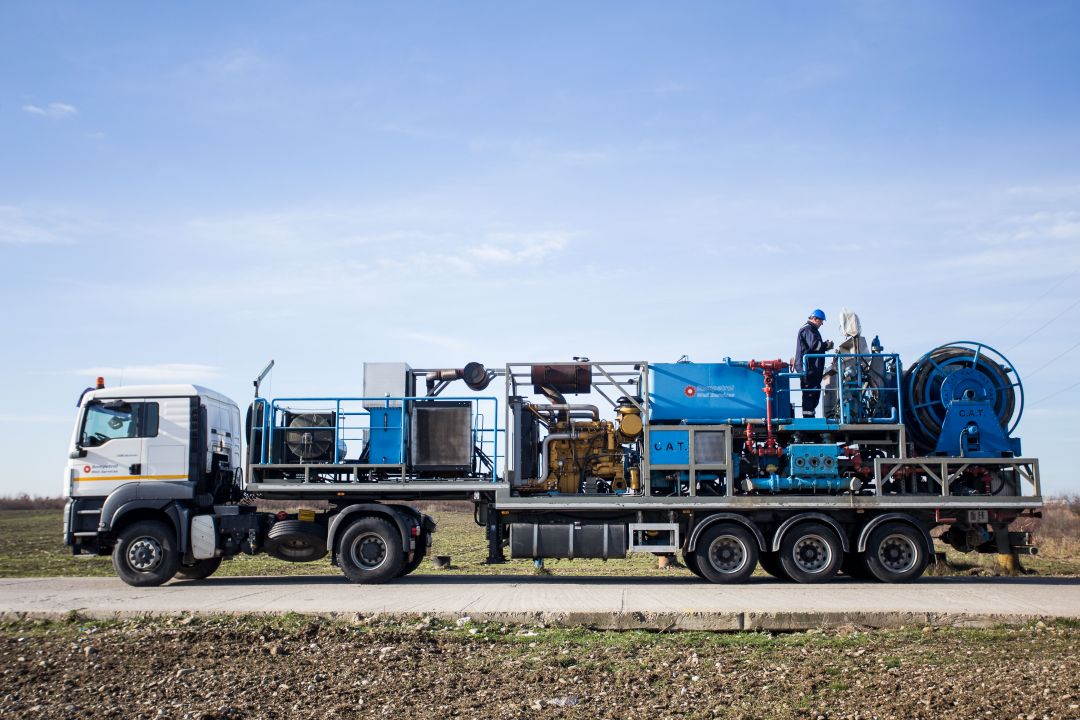
Twin Pump Cementing Units, High Horsepower, Truck or Trailer mounted:
- Maximum hydraulic power: 2 × 600 BHP
- Maximum working pressure: 10,000 psi
- Maximum flow rate: 2,000 l/min per pump
- Recirculating cement mixers
- Trailer-mounted mixing unit, 24 m³ capacity
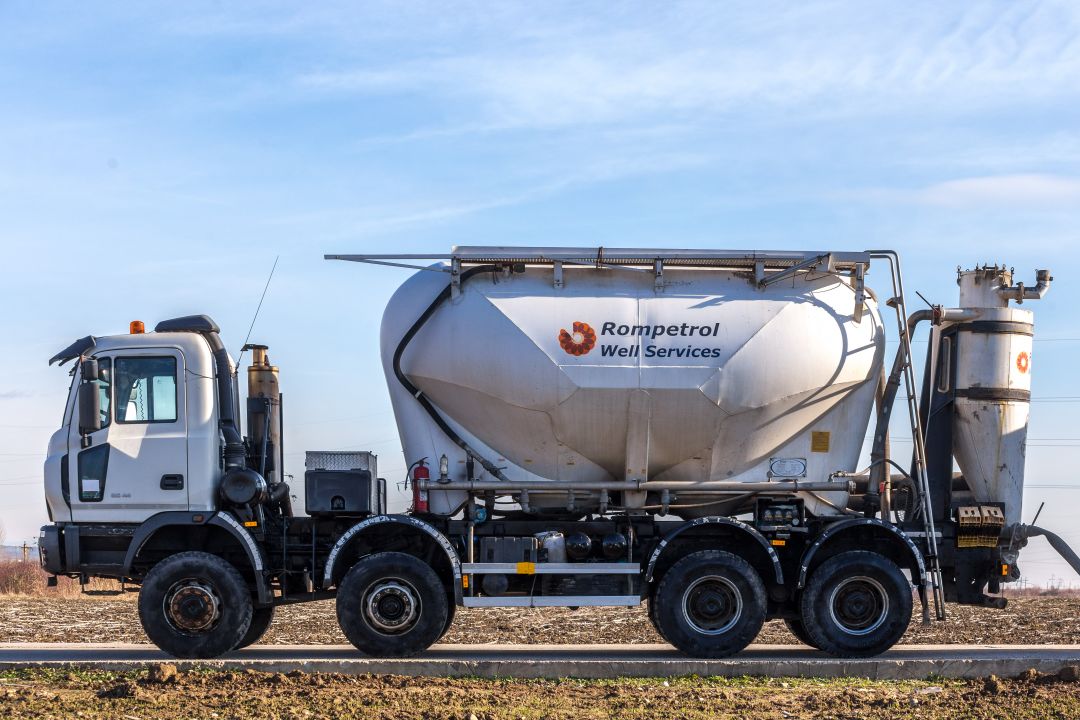
- Cement silos, 40–80 MT capacity
- Cement transport containers, 10–25 MT capacity
- Agitated tanks, 20–30 m³ capacity
Cement Laboratory
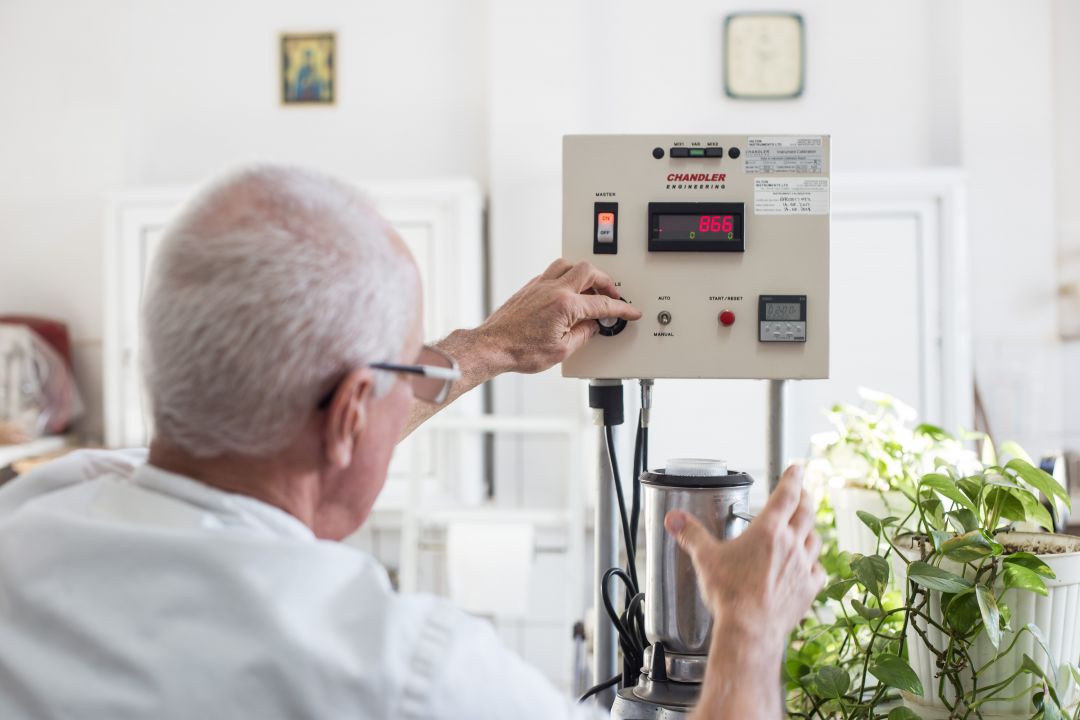
The RWS laboratory is fully equipped to perform the tests and analyses required under API Specification 10A and API Recommended Practice 10B for testing well cements. Testing can be carried out 24 hours a day, 7 days a week, by highly qualified personnel.
The laboratory tests both the properties of cement and cementing products and the behavior of the cement slurry under the specific conditions of each operation. These tests allow RWS to evaluate pumpability, density, rheology, fluid loss, compressive strength and compatibility between the drilling fluid, spacer and cement slurry.
- Physical quality control of Class G cement
- Physical quality control of the client's cementing products
- Cement slurry pumpability testing at bottomhole circulating temperature and pressure up to 200°C (BHCT) and 20,000 psi (BHP)
- Cement slurry rheology testing
- Cement slurry free-water separation testing
- Cement sheath compressive strength testing by destructive testing
- Cement sheath compressive strength testing using UCA
- Static gel strength testing using SGSA
- Fluid-loss testing under ambient and well conditions
- Cement slurry density testing
- Compatibility testing between the drilling fluid, spacer and cement slurry